Your relationship with food parallels every other relationship in your life

How does your client's relationship with food parallel all other relationships in their lives? –relationships with people, things, money, sexuality, drugs, alcohol and other addictive substances? Mindfulness yoga can aid in healing your patient's relationship with food.
How so?
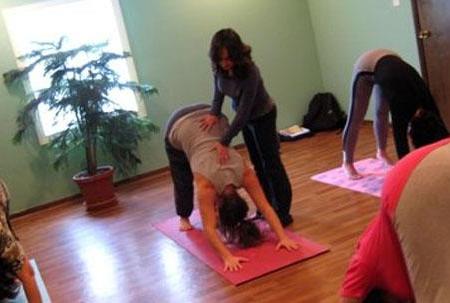
Mindfulness yoga can help delay impulses. Through a regular yoga practice, individuals may find themselves in postures that are difficult or awkward. Learning to stay within the poses and work through these postures can help an individual, who feels an urge binge or practice unhealthy food behaviors, delay acting on this urge. In our society, there is a natural tendency to want to escape anything that causes psychological or physical discomfort. People tend to escape by overeating, working too much, getting caught up in unhealthy relationships or by drug/alcohol use. In yoga for eating disorders, individuals are encouraged to observe rather than react to their discomfort by breathing and listening carefully for what their body is conveying.
Individuals learn to tolerate uncomfortable emotional states without running toward food for comfort, for which they truly may not be hungry, or numbing out by turning away from food. When in various yoga poses, postures are held for a certain length of time while maintaining the breath. Often, individuals tend to want to “run away” from uncomfortable situations. Practicing mindfulness yoga can help maintain discipline, help an individual to feel and accept uncomfortable emotions and avoid eating and other impulsive behaviors.
As an eating disorders treatment professional, look inward with an honest self-assessment of your own body image issues, while addressing how your relationship with food, and your yoga mat, parallel every other relationship in your life so that you can help your clients understand the same concept.